
in the digital age, network security has become an important issue that every enterprise and individual cannot ignore. high-defense us servers use their powerful protection capabilities to help users effectively resist network attacks and protect data security. this article will delve into how high-defense us servers can protect your network security and help you understand this technology more comprehensively.
basic concepts of high-defense us servers
high-defense us servers refer to servers deployed in the united states with high protection capabilities. this type of server is usually equipped with advanced network security technology, which can effectively identify and resist various network attacks, such as ddos attacks, malware, etc. by employing multi-layered protection mechanisms, these servers ensure the security of user data and applications in the network environment.
risks and impact of ddos attacks
ddos (distributed denial of service) attacks are currently one of the most common forms of network attacks. the attacker makes the target server unable to work properly through a large number of false requests, causing service interruption. not only can such an attack cause serious damage to a business's reputation, it can also lead to financial losses. the powerful protection capabilities of high-defense us servers can effectively identify and filter out these false requests, thereby ensuring normal access for users.
core advantages of high defense technology
high defense us server uses a variety of technologies to enhance network security, including traffic monitoring, intelligent traffic cleaning, and load balancing. traffic monitoring technology can analyze traffic data in real time and detect abnormal traffic in a timely manner; intelligent traffic cleaning technology filters out malicious traffic through automated processing; load balancing technology can disperse traffic to multiple servers to ensure service stability. the combination of these technologies makes high-defense servers excellent at resisting network attacks.
the importance of data encryption and protection
in network security, data encryption is an important means to protect user information. high-defense us servers usually support multiple encryption protocols, such as ssl/tls, etc. to ensure the security of data during transmission. in addition, the server also provides backup and recovery solutions to ensure rapid recovery in the event of data loss. these measures greatly enhance the security of user data and reduce the risk of information leakage.
criteria for choosing high-defense us servers
users should consider several factors when choosing a high-defense us server. first of all, the server’s protection capability is key, and you need to understand its protection mechanism and technical level. secondly, the reputation and customer reviews of service providers are also important reference indicators. at the same time, the timeliness and professionalism of technical support, as well as the stability and availability of the server, should also be taken into consideration. by comprehensively evaluating these factors, you can choose the high-defense server that best suits your needs.
how enterprises can effectively utilize high-defense servers
when enterprises deploy high-defense us servers, they should formulate corresponding security policies to ensure the effective use of servers. first, regularly update server software and protection strategies to deal with emerging cyber threats. secondly, conduct regular security audits and vulnerability scans to promptly discover and repair potential security risks. in addition, employee security awareness training cannot be ignored to improve overall network security prevention capabilities.
summary and suggestions
high-defense us servers play a vital role in the field of network security. their powerful protection capabilities can effectively resist various network attacks and ensure data security. when enterprises and individuals choose and use high-defense servers, they should comprehensively consider protection technology, service provider reputation and enterprise needs, and formulate reasonable network security strategies. by effectively utilizing high-defense us servers, network security can be ensured to the greatest extent and provide strong support for the stable operation of business.
- Latest articles
- Community Q&A Summary: Are US Servers Offline And Common Recovery Experiences Nowadays?
- Recommendations For Establishing Audit And Security Incident Response Processes For High-defense VPS Logs Without Filing In Hong Kong
- From The Perspective Of SEO Optimization, Are Cambodia Servers Useful? Their Potential Impact On Rankings
- Analysis Of The Impact Of The U.S. Cluster Server Bandwidth Billing Model On Long-Term Costs
- How To Temporarily Scale Up During Peak Activity By Purchasing A Korean Cloud Server For One Day
- An Operations Perspective Analyzes The Key Points Of High-availability Architecture And Disaster Recovery Design For High-protection Servers In The United States
- Common Customer Questions And Strategies For Promoting Japanese Cloud Servers
- Experts Provide A Detailed Overview Of Several Common Deployment Methods For Hong Kong Server Clusters In The Market
- How Much Does Broadband Cost In Hong Kong Data Centers Compare To Domestic And International Network Latency?
- The Law Reminds Chinese People On How To Trade On Korean Servers And Pay Attention To Compliance In Cross-border Transactions
- Popular tags
-

U.s. Cloud Server Hosting Cost Analysis And Price/performance Comparison
this article provides a detailed analysis of the cost of cloud server hosting in the united states and its cost-effectiveness to help you make a wise choice. -
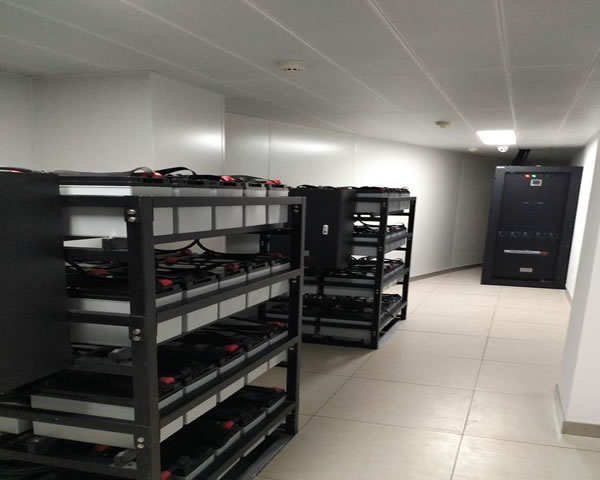
A Study On The Practical Issues Of Comic Servers Under U.S. Laws And Access Restrictions For Chinese Users
This study addresses the practical issues of U.S. laws regarding comic servers and access restrictions for Chinese users. It analyzes the application of laws, cross-border law enforcement, internet censorship, and compliance strategies, providing practical advice for operators and users. -
Green Energy And Energy-saving Design And Cost Assessment In The U.S. Server Hosting Industry
It explores application scenarios for green energy and energy-saving design, energy efficiency evaluation indicators and cost assessment methods in the U.S. server hosting industry, analyzes policy incentives and regional differences, and proposes implementation recommendations and operational considerations.